
The Rich History Behind the Barber Chair: Week one – Chapter one
The Rich History Behind the Barber Chair: Lessons From Week One at Revival Barber and Beauty Academy
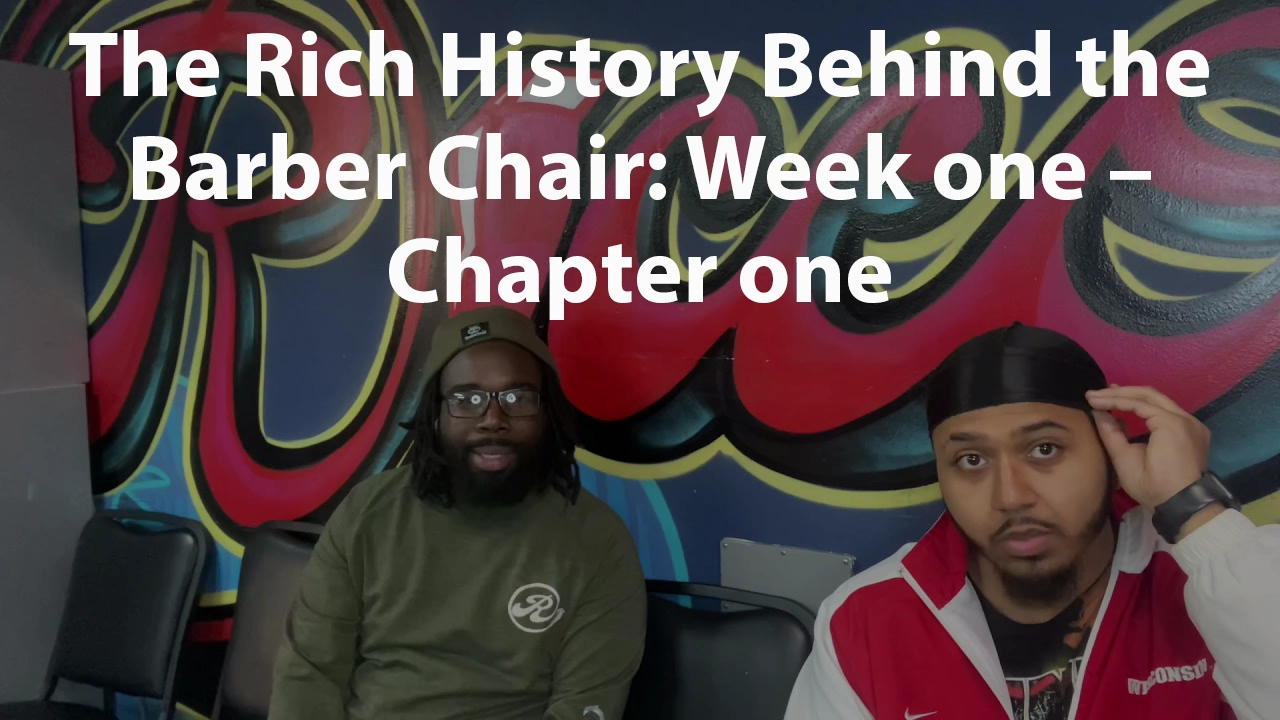
Barbering is more than fades, line-ups, and beard trims—it is a craft rooted in deep history, community trust, and personal purpose. In a recent YouTube video from Revival Barber and Beauty Academy, lead barber instructor Rocky and student-barber Kobe sit down at the end of week one and chapter one to reflect on what they have learned about the history of barbering and why it matters for every modern barber.
Meeting Rocky and Kobe: A Classroom Beyond the Chair
The video opens with Rocky introducing himself as the lead barber instructor at Revival Barber and Beauty Academy, setting the tone as both a teacher and mentor. Sitting with him is Kobe Hillman, a student at the academy and working barber at Rocco’s Barbershop, who represents the new generation of barbers eager to build a solid foundation in their craft.
They explain that this conversation marks the end of week one and chapter one of the course, a milestone focused entirely on barber history. Rather than jumping straight into clippers and cuts, the academy deliberately starts with where barbering came from, what it used to mean, and how that knowledge shapes who a barber is today.
A.B. Moler and the Birth of the Barber School
One of the first facts that surprised Kobe was learning about A.B. Moler, the man credited with opening the first barber school in Chicago, Illinois. This move took barbering from an informal trade passed down through hands-on experience to a structured educational path with standards and expectations.
For today’s students, understanding that barber education has formal roots matters because it reinforces the idea that barbering is a profession, not just a hustle. When you sit in a classroom and study theory, history, and technique, you are stepping into a legacy that began the moment barbering moved into a school setting and demanded discipline, sanitation, and real curriculum.
Barbers as Barber Surgeons: More Than Just a Haircut
Another major takeaway from chapter one is the realization that barbers weren’t always just cutting hair—they were once barber surgeons. Historically, barbers performed medical procedures like pulling teeth, bloodletting, and other minor surgical tasks, serving as multi-skilled professionals trusted with both grooming and basic health care.
Kobe reflects on how barbers “were that dude back in the day,” handling many responsibilities for their communities beyond lining people up. This history shows that barbers held high standards and a respected place in society, reminding modern barbers that they come from a line of professionals who were relied on for far more than a clean cut.
The Truth Behind the Barber Pole
One of the most eye-opening parts of the video is the explanation of the classic barber pole and its colors. Like many people, Kobe admits he used to think the red, white, and blue stripes simply represented the American flag.
Through chapter one, he learns the actual symbolism: the red stands for blood, the blue represents veins, and the white symbolizes bandages. The pole itself connects back to the days of bloodletting, when patients would grip a staff during the procedure, turning an everyday shop symbol into a historical reminder of the barber’s medical past.
Why Barber History Still Matters Today
Rocky emphasizes that remembering every single date is not the goal; understanding the story and evolution is what matters most. Knowing where barbering started and how it changed over time helps barbers appreciate the profession and gives them a sense of responsibility to carry the name with pride.
In the video, they talk about “reupholstering” the barber name—restoring its value, reputation, and meaning in modern times. When barbers know their roots, they approach the craft differently: with more respect, more purpose, and a clearer vision of the role they play in people’s lives.
Making History Stick: Learning Without Getting Overwhelmed
Kobe openly shares that he doesn’t consider himself great at memorizing things and admits he has a bad memory. Even so, he is surprised by how easily he can recall key points from chapter one, like A.B. Moler’s contribution and the symbolism of the barber pole.
He explains that the material is easier to keep in mind because it is made up of a few meaningful, powerful facts rather than endless lists of dates. That simplicity makes the history feel less like a test and more like a foundation he can carry with him into every cut, giving him a sense of mission and purpose in the profession.
Building Mission, Purpose, and Professional Identity
Throughout the conversation, Rocky ties history back to the bigger picture: why are you here, and what does being a barber really mean? When students learn how respected barbers once were as barber surgeons and community pillars, it pushes them to think beyond quick money and trendy styles.
History becomes a tool to shape identity—barbers start to view themselves as professionals with a legacy to uphold, not just service providers. That mindset shifts everything from how they treat clients to how they approach learning, practice, and professionalism inside and outside the shop.
Holistic Training: Mental Health and Consistency
The video doesn’t end with history alone; Rocky also reminds students about an upcoming mental health intervention session on Sunday via Zoom. He plans to send hourly reminders leading up to it, showing how seriously the academy takes mental and emotional well-being.
This focus on mental health reflects a holistic approach to training: it is not just about skills with clippers, but also about stability, discipline, and balance in life. Rocky encourages students not to let weekends become a “weak end,” pushing them to stay locked in and consistent so they can keep growing through every chapter of the program.
From Week One to a Lifetime in the Game
As the video closes, Rocky and Kobe make it clear that finishing week one and chapter one is only the beginning. The history they have just learned is the base layer on which everything else—technique, customer service, shop culture, and business—will be built.
For any aspiring barber, the message is simple: don’t skip the foundation. When you understand where barbering came from, you walk into every shop and every appointment with more confidence, deeper pride, and a stronger sense of who you are behind the chair.
Key Takeaways for Aspiring Barbers
-
- A.B. Moler opened the first barber school in Chicago, helping turn barbering into a structured profession with standards and education.
-
- Barbers were once barber surgeons who handled tasks like pulling teeth and performing bloodletting, making them trusted community figures.
-
- The barber pole’s red, white, and blue stripes symbolize blood, bandages, and veins, connecting modern shops to medieval medical practices.
-
- Memorizing every date is less important than understanding the story and evolution of barbering as a profession.
-
- Knowing history helps barbers develop mission, purpose, and pride that carry into their work and interactions with clients.
-
- Holistic programs, like Revival Barber and Beauty Academy, also emphasize mental health and consistent effort, preparing barbers for the real demands of the industry.